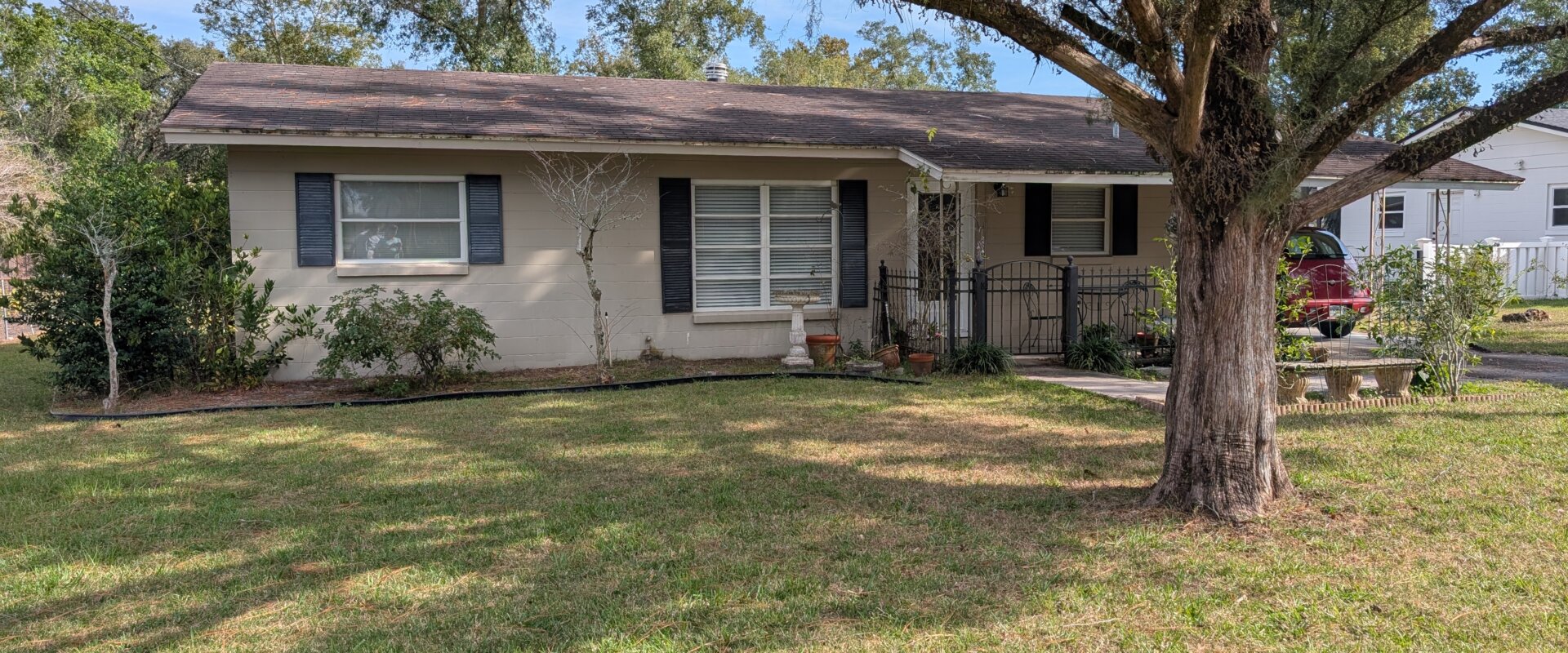

When someone inherits a house in Florida, one of the first questions families ask is:
“Will we have to pay capital gains tax if we sell the house?”
The good news is that in many cases, families pay little or no capital gains tax when selling an inherited home. This is because the tax rules for inherited property are different from normal home sales.
Important note: I am a Florida real estate sales associate, not a CPA or attorney. This article is meant to explain common situations we see when helping families sell inherited homes. For tax advice about your specific situation, it is always best to speak with a CPA or tax professional.

Why Inherited Property Is Taxed Differently
Normally, when someone sells a house, the government looks at the difference between:
- what the owner paid for the house, and
- what the house sells for
That difference is called capital gain, and it may be taxed.
But when a house is inherited, the starting value usually changes.
What Is a “Step-Up in Basis”?
When someone passes away and their home is inherited, the value of the house usually resets to its market value at the time of their death.
This is called a step-up in basis.
Here is a simple example.
Your parent bought a house in 1995 for $90,000.
When they passed away, the home was worth $375,000.
Because of the step-up in basis, the starting value for taxes becomes $375,000, not $90,000.
If the house later sells for $380,000, the taxable gain may only be $5,000.
This is why many families find that the tax is much smaller than they expected.
Do You Pay Taxes Just for Inheriting the House?
No.
Simply inheriting a house does not create capital gains tax.
Taxes usually only become a factor if the house is sold later.
And even then, the step-up in basis often keeps the taxable gain small.
When Capital Gains Tax Might Apply
There are some situations where capital gains tax could apply.
The House Increases in Value After Inheritance
If the house goes up in value after you inherit it, that increase could be taxed when the home is sold.
For example, if the home was worth $375,000 when inherited and later sells for $420,000, the gain may be based on the difference.
The Property Is Held for Many Years
Some families keep the home for several years before selling. If the market value rises during that time, the gain may increase.
The Property Is Used as a Rental
If the home is rented out before being sold, the tax situation can become more complicated.
Because every situation is different, many families choose to speak with a CPA before making a decision.
What If Multiple Siblings Inherit the House?
Sometimes brothers and sisters inherit a property together.
When the home sells, the proceeds are usually divided among the heirs based on ownership.
If you are dealing with multiple heirs, you may also want to read:
What If Multiple Siblings Inherit a House in Florida?
Does Probate Affect Capital Gains Tax?
Probate does not create capital gains tax.
Probate simply determines who has the legal authority to sell the property.
However, the probate process can affect how long the home is held, which may affect the value when it sells.
You may also find this helpful:
Do You Have to Go Through Probate to Sell an Inherited House in Florida?
Is There a Time Limit to Sell an Inherited Property?
There is no strict deadline that forces heirs to sell a house right away.
However, waiting too long can create other costs, such as:
- property taxes
- insurance
- maintenance
- repairs
- utilities
You can read more about that here:
Is There a Time Limit to Sell an Inherited Property in Florida?
One More Thing Families Should Know
Even when taxes are small, inherited homes can still cost money to hold.
Common expenses include:
- property taxes
- vacant home insurance
- lawn care
- pool service
- repairs
- HOA fees
These costs are one reason some families decide to sell sooner rather than later.
You may also want to read:
The Biggest Mistake Families Make After Inheriting a House in Florida
Selling an Inherited House in Seminole County
Families who inherit homes in areas like:
- Casselberry
- Oviedo
- Winter Springs
- Altamonte Springs
- Longwood
- nearby Orlando communities
often have several options depending on the condition of the home.
Some homes sell as-is, while others benefit from small updates before listing.
Every situation is different, which is why many families start by learning the home’s current market value and possible selling options.
Final Thoughts
Capital gains tax on inherited property in Florida is often less complicated than many families expect because of the step-up in basis rule.
Still, every situation is different depending on:
- how long the property is kept
- whether improvements are made
- how the property is used before selling
- how many heirs are involved
For that reason, speaking with a CPA or tax professional before making major decisions is always a good idea.
If You Inherited a House in Seminole County
If you recently inherited a house and are trying to decide what to do next, it can help to first understand:
- the home’s current value
- the condition of the property
- the different options for selling
You can start here:
How to Sell an Inherited House in Seminole County, Florida
Or explore your options:
Sell Your House in Seminole County
Frequently Asked Questions
Do heirs pay capital gains tax right away?
No. Capital gains tax usually only becomes relevant when the house is sold.
What is the step-up in basis?
The step-up in basis resets the value of the house to its market value when the owner passed away.
Do siblings share the taxes if they inherit a house together?
Usually, yes. If several heirs own the property, any gain from the sale is normally divided among them.
Should I talk to a CPA before selling inherited property?
Yes. A CPA can explain the tax rules based on your specific situation.