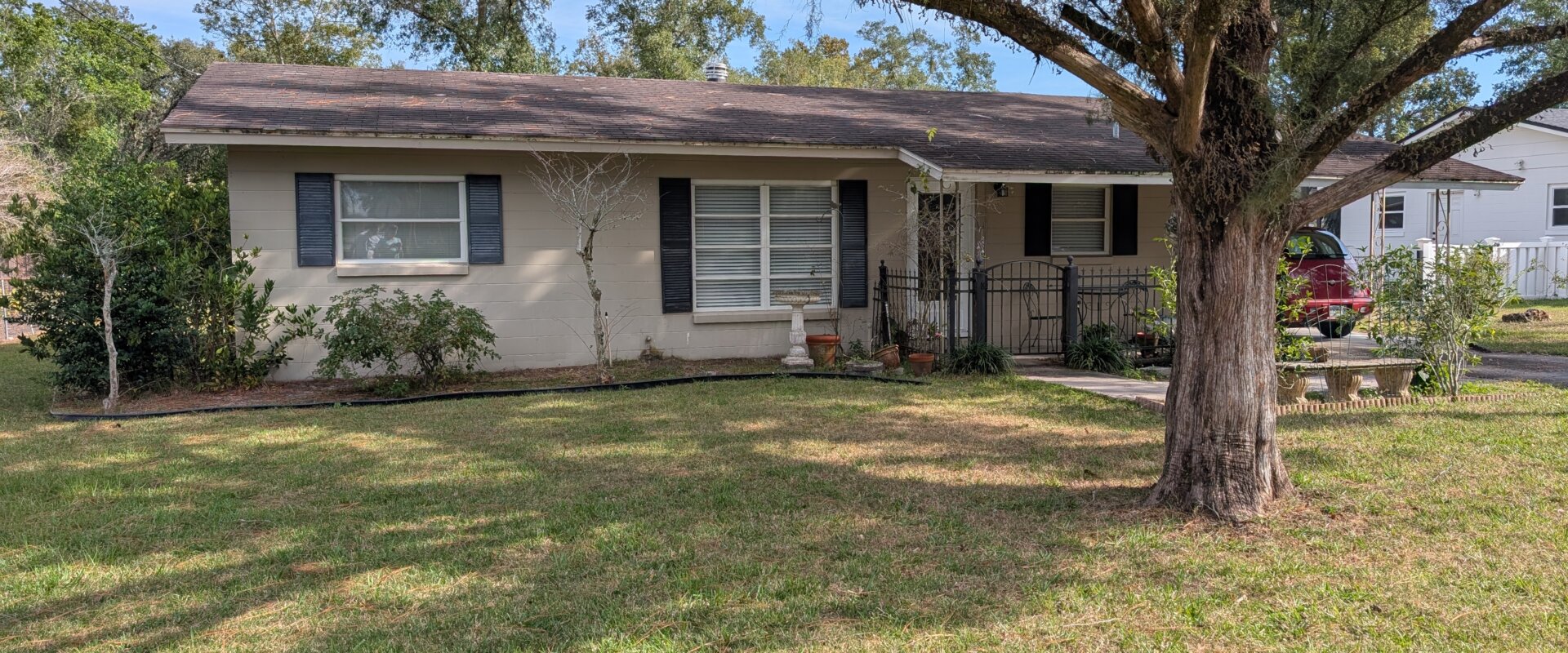

If you’ve recently inherited a home, you may be wondering whether there’s a deadline to sell it.
The short answer is: Florida law does not impose a strict deadline to sell an inherited property. However, probate timelines, taxes, and practical considerations can influence how long you realistically have.
If you’re trying to sell an inherited house in Seminole County, understanding timing can help you avoid unnecessary financial or legal complications.

Does Florida Law Require You to Sell Within a Certain Time?
There is no statewide law that forces heirs to sell inherited property within a specific number of months or years.
However, the ability to sell depends on:
- Whether probate is required
- When a personal representative is appointed
- Whether estate debts must be resolved
- Court authorization
Before probate authority is granted, a property generally cannot be legally transferred.
If you’re unsure whether probate must be completed before selling, you can read more about that process here.
How Probate Timelines Affect When You Can Sell
While there isn’t a sales deadline, probate itself has procedural timelines.
In Florida, probate may involve:
- Creditor notification periods
- Waiting periods for claims
- Court approval steps
- Asset inventory requirements
Depending on the complexity of the estate, probate can take several months or longer.
In Seminole County, court timelines vary based on:
- Case complexity
- Whether the will is contested
- Number of heirs
- Required documentation
Once legal authority is established, the property can be listed and sold.
Are There Tax Considerations That Create Timing Pressure?
While Florida does not have a state inheritance tax, federal tax considerations may influence timing.
Inherited property typically receives a stepped-up basis, meaning the value is adjusted to the fair market value at the time of death.
This often reduces capital gains exposure if the property is sold relatively soon after inheritance.
However:
- If the home significantly increases in value after inheritance,
- Or if it is converted into a rental property,
Capital gains calculations may change.
Understanding the stepped-up basis and potential tax implications can help you decide whether to sell sooner rather than later.
What About Property Expenses While You Wait?
Even without a legal deadline, holding an inherited property comes with ongoing costs:
- Property taxes
- Insurance
- Utilities
- HOA fees (if applicable)
- Maintenance
- Repairs
- Lawn care
If multiple heirs are involved, disagreements over who pays these expenses can create tension.
For many families in Casselberry, Oviedo, Winter Springs, Altamonte Springs, Longwood, and Lake Mary, the financial carrying costs become a deciding factor in timing.
Can You Wait Years to Sell?
Technically, yes — if:
- Probate is complete
- Title is transferred
- All heirs agree
There is no automatic expiration date.
However, waiting long periods may create complications such as:
- Increased maintenance issues
- Market shifts
- Tax reassessments
- Insurance challenges
- Family disagreements
Market conditions in Seminole County also fluctuate. Timing the sale strategically can impact overall proceeds.
What If Multiple Siblings Inherit the Property?
When several heirs are involved, timing decisions often depend on group agreement.
Some siblings may want to sell immediately. Others may want to hold.
If you’re dealing with multiple heirs, you may find this guide helpful:
https://flockandcompany.com/blog/what-if-multiple-siblings-inherit-a-house-in-florida/
The longer a property is held jointly, the greater the potential for conflict.
Does the Personal Representative Have a Deadline?
A personal representative is responsible for administering the estate efficiently.
While there may not be a specific sales deadline, the representative must:
- Act in the best interest of the estate
- Resolve debts and distribute assets
- Avoid unnecessary delays
In some cases, beneficiaries may pressure for timely resolution.
Should You Sell Immediately After Inheriting?
There is no universal answer.
Factors to consider:
- Current market conditions
- Property condition
- Repair needs
- Probate status
- Heir cooperation
- Carrying costs
- Emotional readiness
In some cases, listing soon after probate concludes makes sense. In others, preparing the property carefully can improve outcomes.
The key is making a structured decision rather than reacting to pressure.
Practical Timing Considerations in Seminole County
Inherited homes in Seminole County often require:
- Estate clean-out
- Minor or deferred repairs
- Coordination among out-of-state heirs
- Title review
Planning these steps early can reduce stress once probate authority is granted.
Even while probate is in progress, it can be helpful to:
- Obtain a professional market valuation
- Evaluate repair vs as-is strategy
- Discuss a listing plan aligned with court timelines
Final Thoughts
There is no strict legal time limit to sell an inherited property in Florida.
However, practical timelines are shaped by:
- Probate procedures
- Estate obligations
- Taxes
- Carrying costs
- Family dynamics
- Local market conditions
If you’re navigating an inherited property in Seminole County and want clarity on how timing affects your listing options, you’re welcome to reach out for guidance specific to your situation.